ARL Summer School on ‘Urbanisation and the Digital’

It was a pleasure to participate in the international summer school on ‘A Contested Relationship? Urbanisation & the Digital vs. Digitalisation & the Urban’ in Luxembourg from 6 to 8 July. The summer school was organised by the Academy for Territorial Development in the Leibniz Association (ARL) and included keynotes by Rob Kitchin, Julia Rone, Bastian Lange and me as well as presentations by Björn Nordvall, Alisa Uhrig, Alina Utrata, Saebom Song, Khaliq Parkar, Xunran Tan, Benedikt Taiber, Devika Prakash, Karinne Madron, and Maryam Kazemi. We had wide-ranging discussions on the synergies and frictions of sociotechnical urban development. Thank you to Constance Carr, Markus Hesse, Lena Greinke, Rainer Danielzyk, and Christian Schulz for organising a great event!

Visit to HSB Living Lab in Gothenburg

My LU Living Lab colleague Ivette Arroyo and I joined Eva Dalman and Jon Andersson from the City of Lund on a visit to the HSB Living Lab in Gothenburg. This is a fantastic real world lab where multiple stakeholders are testing housing and living solutions. Thanks to Madelaine Doufrix, Emma Sarin and Susanne Klint for hosting us for the day. I look forward to learning more about their multiple projects in the coming months/years.

New article – Pandemics and the built environment: A human– building interaction typology

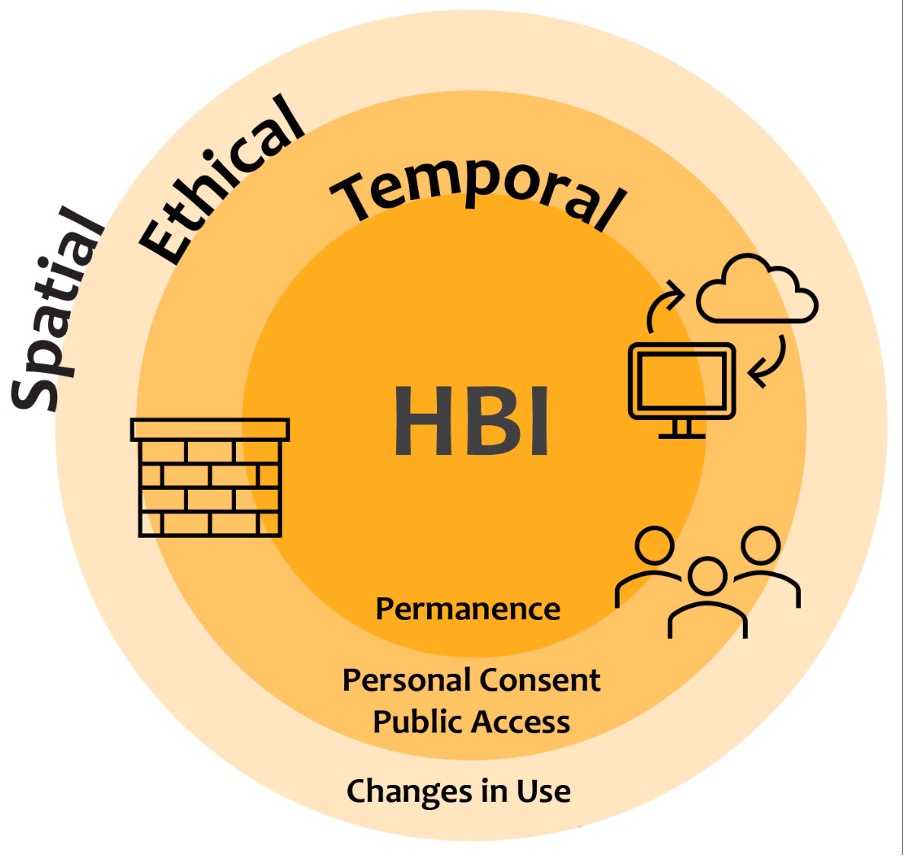
I co-authored an article with Stacy Vallis and Elina Eriksson that examines pandemics and the built environment using a human-building interaction framework. Specifically we look at analogue and digital responses to COVID-19 involving distancing and separating, monitoring and tracing, and sanitising and cleansing. The article is open access and can be downloaded here: https://doi.org/10.5334/bc.280.

New book chapter – The Challenges of Fostering Citizenship in the Smart City

I co-authored a book chapter on ‘The Challenges of Fostering Citizenship in the Smart City’ with Marikken Wulff-Wathne and Håvard Haarstad in the new edited volume Digital (In)justice in the Smart City (2023, University of Toronto Press). The collection includes a wide range of smart city insights from a great group of international scholars. Thanks to Debra Mackinnon, Ryan Burns, and Victoria Fast for the curatorial work!

Positive Energy Districts event in Copenhagen

I participated in the JPI Urban Europe Positive Energy Districts (PEDs) meeting in Copenhagen on 30 and 31 January. We listened to several inspiring talks and engaged in lively roundtable discussions about the 4 pilot PED projects that are now ending and the 9 new projects that recently started. It was fun to engage with such a dynamic community of practitioners and scholars. Thanks to Christoph Gollner and colleagues for hosting!

New Book Chapter! – ‘Small measures, large change: the promise and peril of incremental urbanisation’

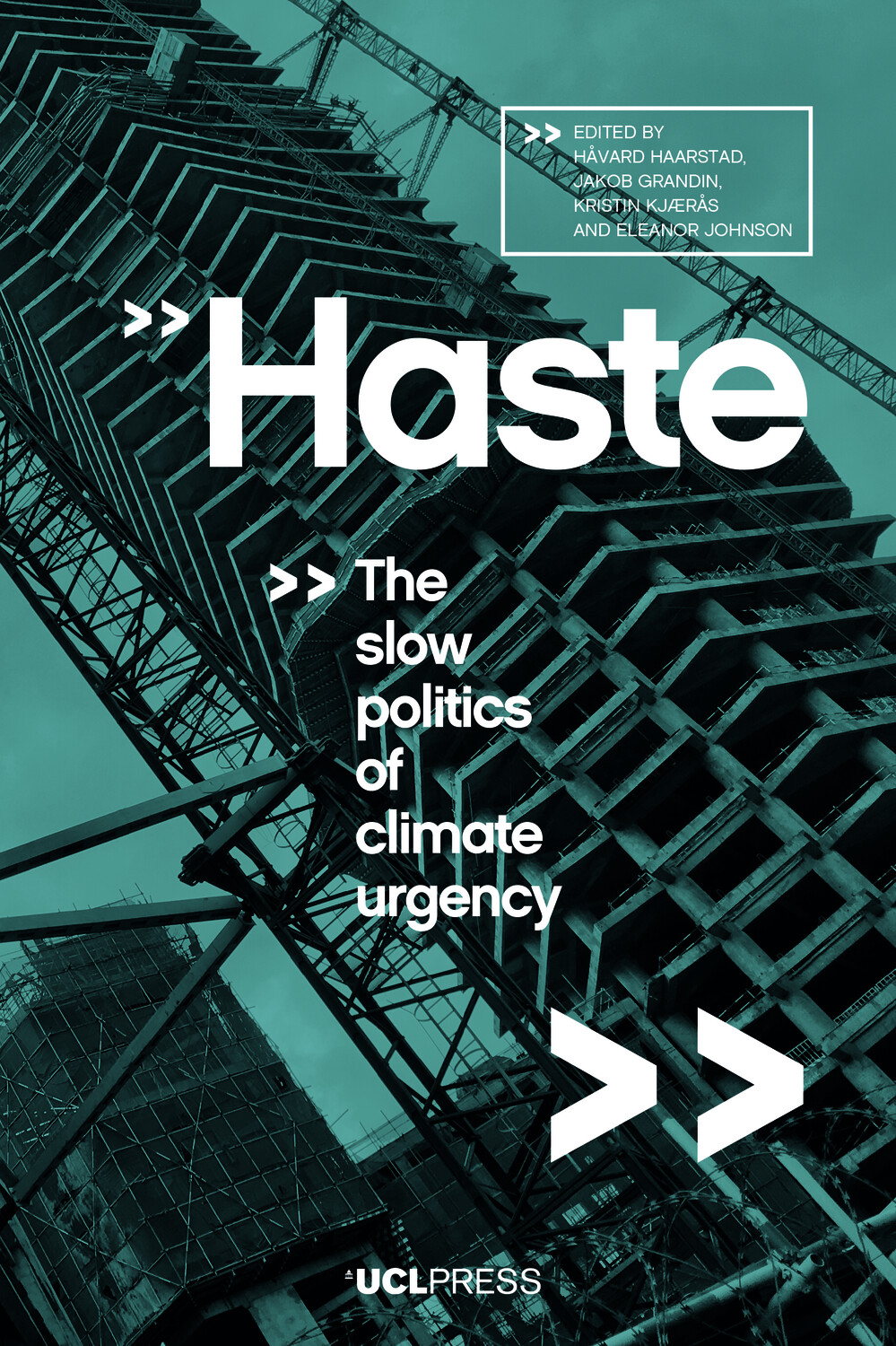
I contributed a chapter to a new UCL Press book on ‘Haste: The slow politics of climate urgency’ edited by Håvard Haarstad, Jakob Grandin, Kristin Kjærås and Eleanor Johnson. A wide range of contributors examine climate politics and the need for rapid transformations. My chapter (co-authored with Jonas Bylund) reflects on the opportunities and challenges offered by incremental approaches to urban development. The book is FREE to download here: https://bit.ly/3QTzZSg

New advanced study group on ‘Seamless Life’

I am excited about a new advanced study group funded by the Pufendorf Institute on Advanced Studies at Lund University to examine ‘Seamless Life: The imaginaries, experiences and peril of data-driven life’. We will discuss the underlying norms, assumptions, experiences and implications of smart solutions in the home and the street. The group is led by Dalia Mukhtar-Landgren (Political Science) and includes Lovisa Nyman (Theology and Religious Studies), Martin Garwicz (Experimental Medical Science), Jessica Enevold (Arts and Cultural Sciences), James White (Technology and Society), Alexander Paulsson (Business Administration), Ida Sandström (Architecture), and Robert Willim (Arts and Cultural Sciences).