New article in Sustainable Cities and Society on the ‘Smart-Sustainability Fix’ with Chris Martin, James Evans, Krassimira Paskaleva, Dujuan Yang and Trond Linjordet. Free download here: https://authors.elsevier.com/c/1YKnh7sfVYuJVl
Social housing providers as middle actors in low-carbon innovation
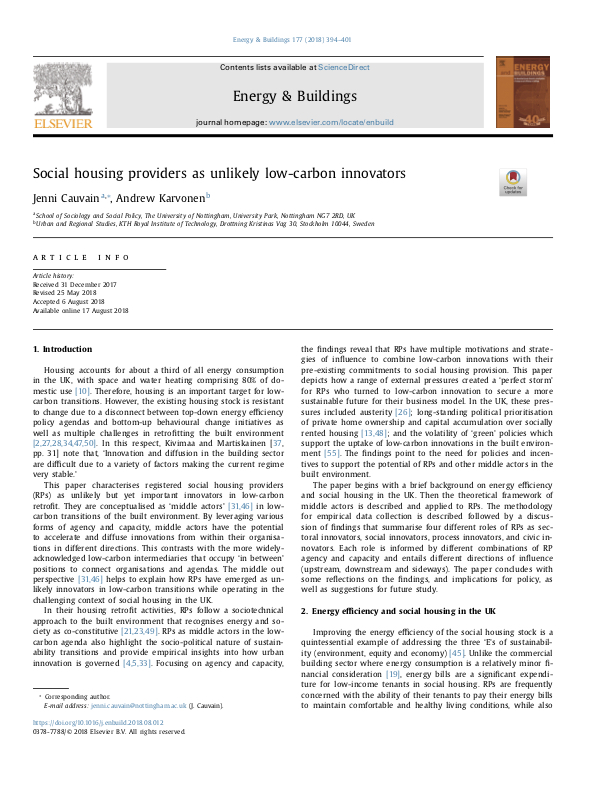 How do social housing providers contribute to the decarbonisation of the built environment? Jenny Cauvain and I just published a new article in Energy & Buildings that demonstrates how social housing providers serve as ‘middle actors’ between the national government, local authorities, building professionals, and residents. The article is open access until 21 October 2018 from this link.
Projects, Platforms and the Emergence of Modular Urban Development
 At the Royal Geographical Society with IBG Annual International Meeting in Cardiff, James Evans and I co-organised two paper sessions on ‘Projects, Platforms and the Emergence of Modular Urban Development’. Thanks to the presenters for a rich discussion of how projects, experiments, laboratories, testbeds and meanwhile uses are becoming a new mode of urbanisation.
AESOP Annual Congress in Gothenburg
I just returned from Gothenburg where I attended the AESOP Annual Congress 2018. Stefano Cozzolino and I were co-chairs of the Complexities track and organised five sessions with 21 presentations on fuzzy planning approaches, co-evolutionary strategies, and cascading effects and pattern formations. Thanks to all of the session co-chairs and presenters! Also, I presented a paper in the Futures track on ‘Experimentation as the Future Mode of Urban Planning?’.
Smart cities, innovation platforms and social practices in Wageningen
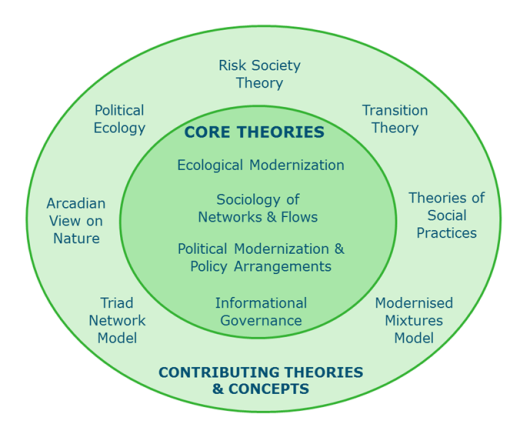
I spent two days visiting with Bas van Vliet and colleagues in the Environmental Policy Group at Wageningen University. We had some very productive and enjoyable discussions about smart cities, sustainable practices, platforms of innovation and related topics. Check out their useful webpage (and see diagram above) that summarises the social theories employed by their researchers. Thanks to Bas for the invitation!
Urban Energy Landscapes and the Rise of Heat Networks in the United Kingdom
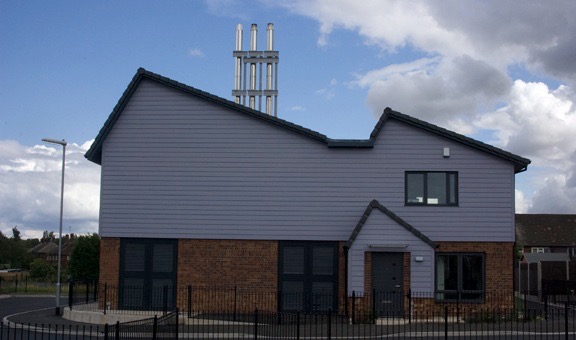
Simon Guy and I just published an open-access article in the Journal of Urban Technology on ‘Urban Energy Landscapes and the Rise of Heat Networks in the United Kingdom’. We examine the implications of distributed heat to scale, density, mixed-use and materiality. The article is available for download here: tinyurl.com/ydxzbu6l
Sercan Yalciner receives PhD in Architecture
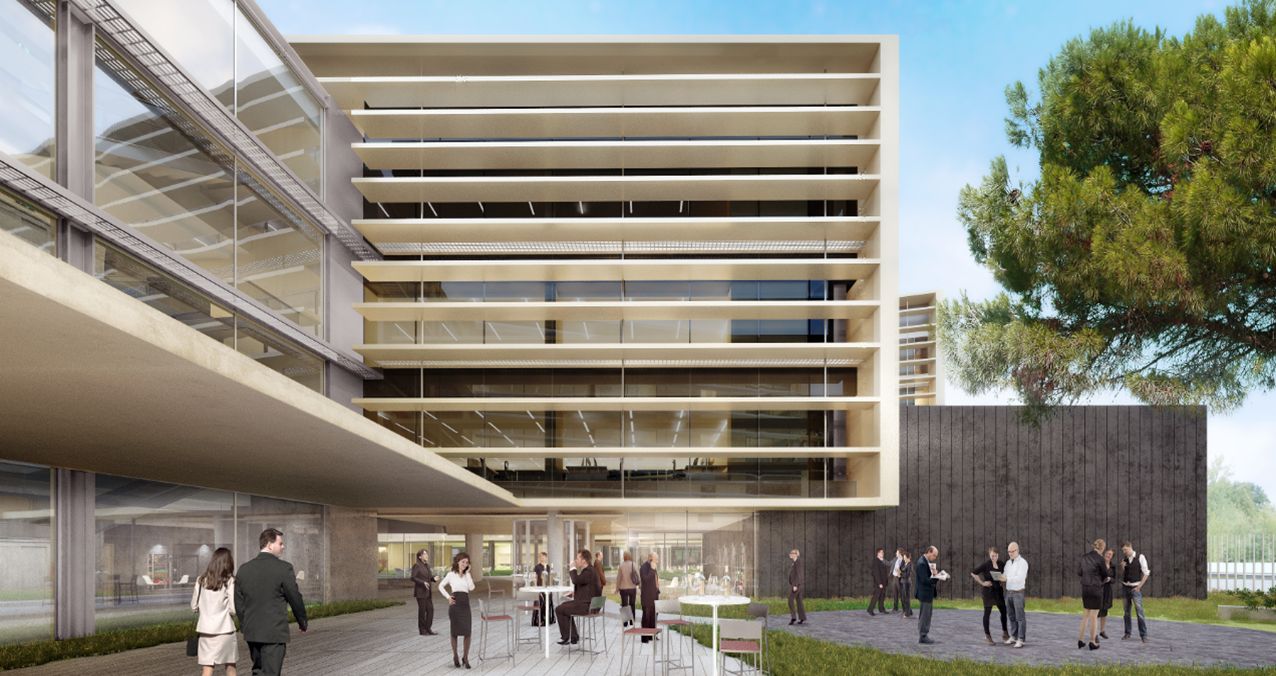
I am very pleased to announce that Sercan Yalciner has completed her doctoral degree in Architecture at the University of Manchester. Dr Yalciner’s conducted a study on ‘Sustainable Architecture and the Influence of Global Assessment Tools’ with a specific focus on BREEAM International. Her work provides insights on how the notion of sustainability is embedded in building codes and how building professionals transfer and apply ideas to different contexts. Congratulations to Dr Yalciner!
Low-carbon retrofit and social housing
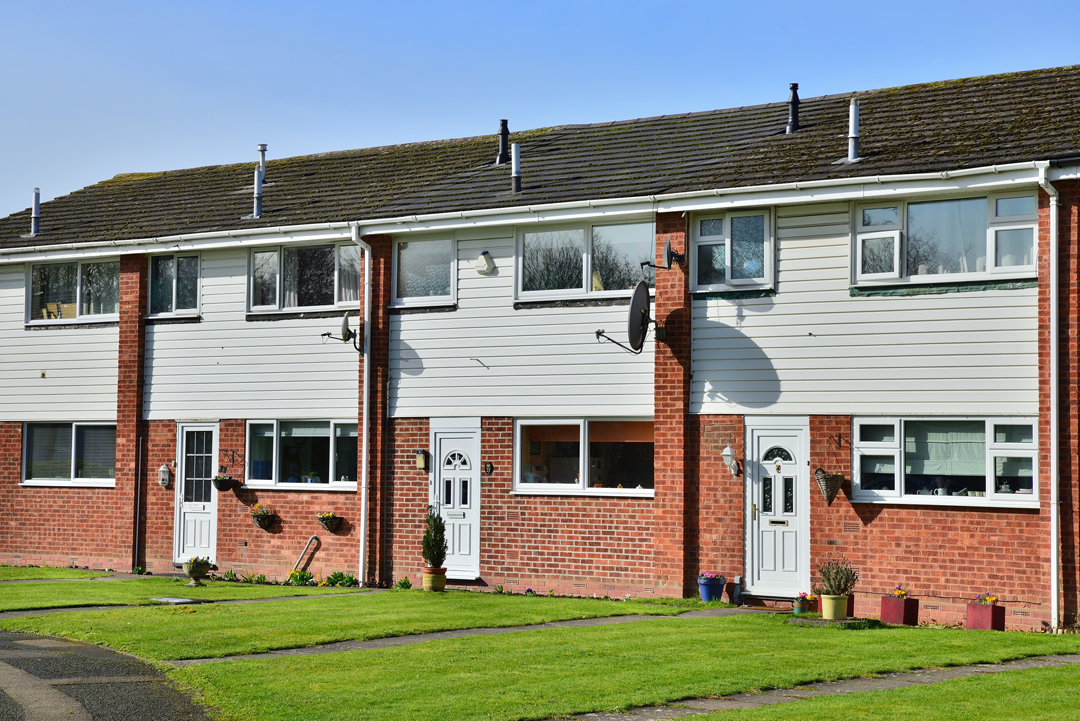
I published a new article in the Journal of Urban Affairs with my colleagues Jenni Cauvain and Saska Petrova on ‘Market-based low-carbon retrofit in social housing: Insights from Greater Manchester’. We conducted a study of social housing providers in Manchester to provide insights on how they are navigating the decarbonisation agenda in the UK while also dealing with privatisation and austerity measures.
Five tensions of smart-sustainable cities
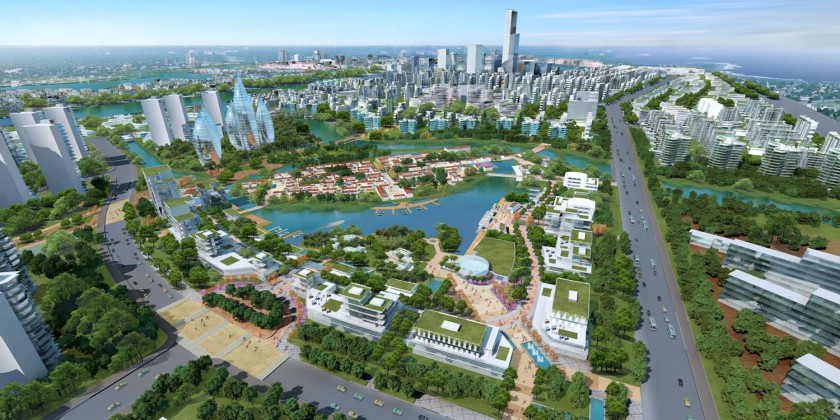
How does smart urbanisation contribute to goals of sustainability? Chris Martin, James Evans and I published a paper in Technological Forecasting and Social Change on ‘Smart and sustainable? Five tensions in the visions and practices of the smart-sustainable city in Europe and North America’. We argue that smart interventions tend to reinforce neoliberal modes of urban development rather than emphasise environmental protection and social equity.
Urban ICT Arena in Kista
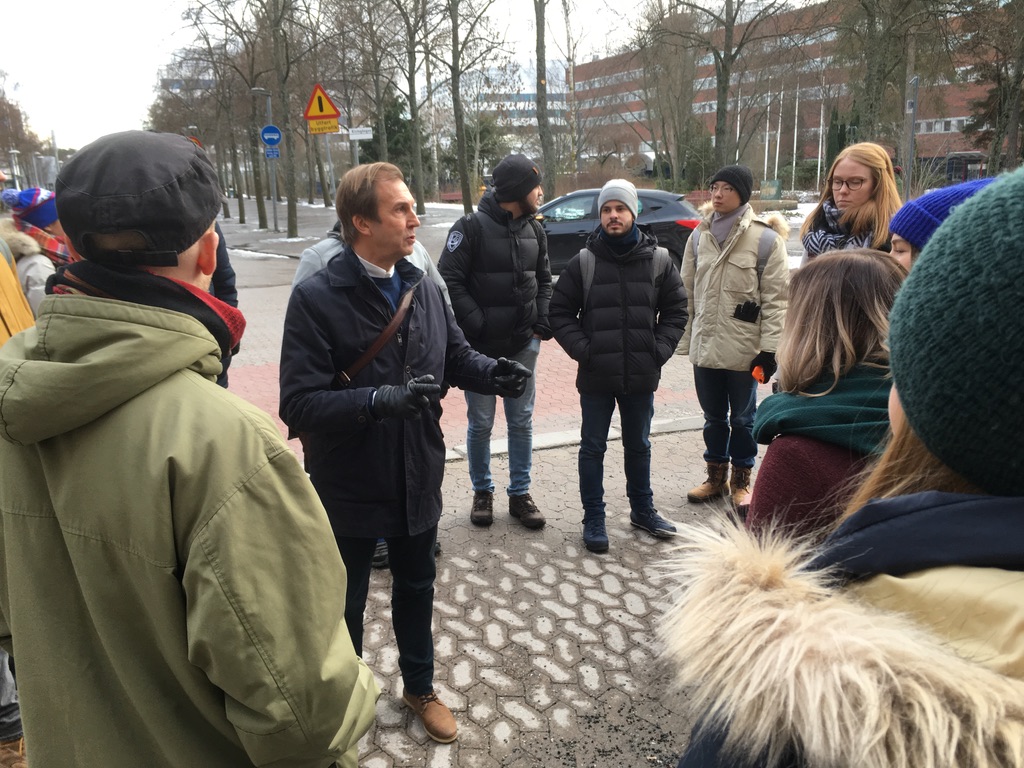
Today, I visited Kista in Greater Stockholm with my Master’s students in Urban Infrastructure to learn about the Urban ICT Arena. Åke Lindström, Petra Adolfsson and Lukas Ljungqvist were kind enough to show us around. Some of my colleagues were even brave enough to ride on the autonomous shuttle!
 Andrew Karvonen